Category: Uncategorized
Saptrishi: Guardians of Ancient Wisdom and Divine Virtue
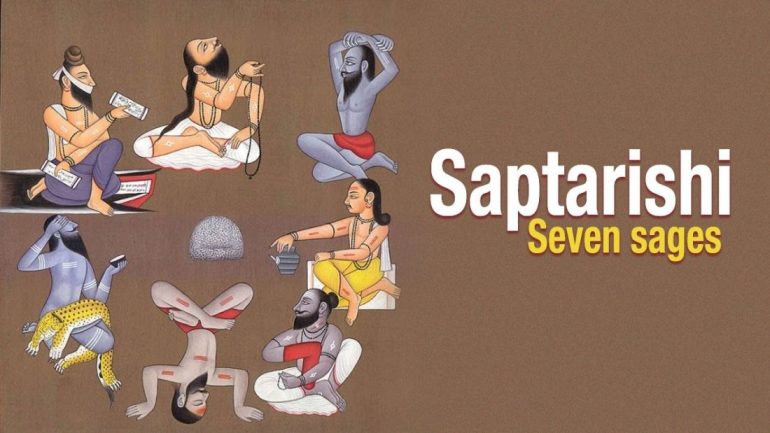
The term “Saptrishi” (also spelled “Saptarishi”) is a Sanskrit word that translates to “Seven Sages.” In Hindu mythology and Vedic tradition, the Saptrishi are a group of seven ancient sages or rishis who are considered the mind-born sons of Lord Brahma, the creator deity in Hinduism. These sages are regarded as the progenitors of Vedic knowledge and are often depicted as embodying various aspects of divine wisdom and virtue.
The identities of the Saptrishi may vary across different Hindu texts and traditions, but there are several commonly recognized names:
- Marichi
- Atri
- Angiras
- Pulastya
- Pulaha
- Kratu
- Vashishtha
These seven sages are often depicted as embodying different aspects of Vedic knowledge, including theology, philosophy, ritualistic practices, and meditation. They are revered for their immense wisdom, spiritual insight, and contributions to the preservation and dissemination of sacred knowledge.
The Saptrishi are frequently mentioned in Hindu scriptures such as the Vedas, the Puranas, and the epics like the Mahabharata and the Ramayana. They are often depicted as celestial beings who guide and inspire humanity on the path of righteousness and spiritual enlightenment. The Saptrishi are also associated with the constellation Ursa Major, which is known as the “Saptarishi Mandala” or the “Great Bear” in Western astronomy.
Throughout Hindu mythology and tradition, the Saptrishi symbolize the timeless wisdom of the ancient sages and serve as exemplars of virtue, knowledge, and spiritual attainment. They continue to be venerated and honored in Hindu rituals, prayers, and spiritual practices as sources of divine inspiration and guidance.
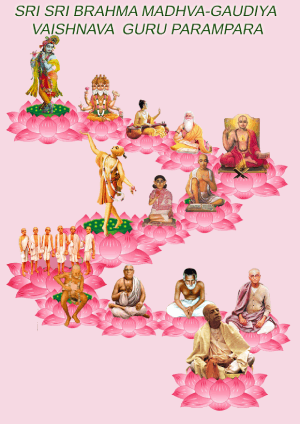
SRI SRI BRAHMA MADHVA-GAUDIYA VAISHNAVA GURU PARAMPARA
Sri Mookambika Devi Temple
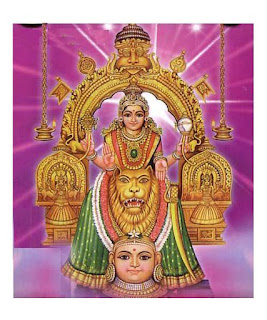
Just a stone’s throw away from the serene environs of BEV lies the majestic Mookambika Temple in Udapi, a sacred abode of the Divine Mother. Nestled amidst the lush greenery of the Western Ghats, this ancient temple is steeped in myth and legend, drawing devotees from far and wide to experience its divine presence and seek blessings from Goddess Mookambika.
Legend has it that the Mookambika Temple is situated at the spot where Adi Shankaracharya, the great saint and philosopher, installed the deity of Goddess Mookambika, also known as Saraswati, Lakshmi, and Parvati, in a divine vision. Devotees believe that the goddess grants boons and fulfills the wishes of her devotees with immense love and compassion.
As you enter the temple premises, you are greeted by the soothing chants of hymns and the fragrance of fresh flowers, creating an atmosphere charged with devotion and reverence. The temple’s architecture is a testament to the rich cultural heritage of South India, with intricate carvings and vibrant colors adorning its walls and pillars.
At the heart of the temple stands the sanctum sanctorum, where the divine form of Goddess Mookambika radiates with celestial grace and beauty. Devotees offer their prayers and perform rituals with utmost devotion, seeking the blessings of the Divine Mother for protection, prosperity, and spiritual enlightenment.
Apart from its spiritual significance, the Mookambika Temple is also renowned for its serene surroundings and picturesque location. Surrounded by the verdant hills of the Western Ghats and blessed with a tranquil ambiance, the temple offers a perfect retreat for those seeking solace and peace amidst nature’s bounty.
As you embark on a pilgrimage to the Mookambika Temple in Udapi from BEV, may you be guided by the divine grace of Goddess Mookambika and experience the bliss of spiritual awakening and inner transformation.
Krishna Temple
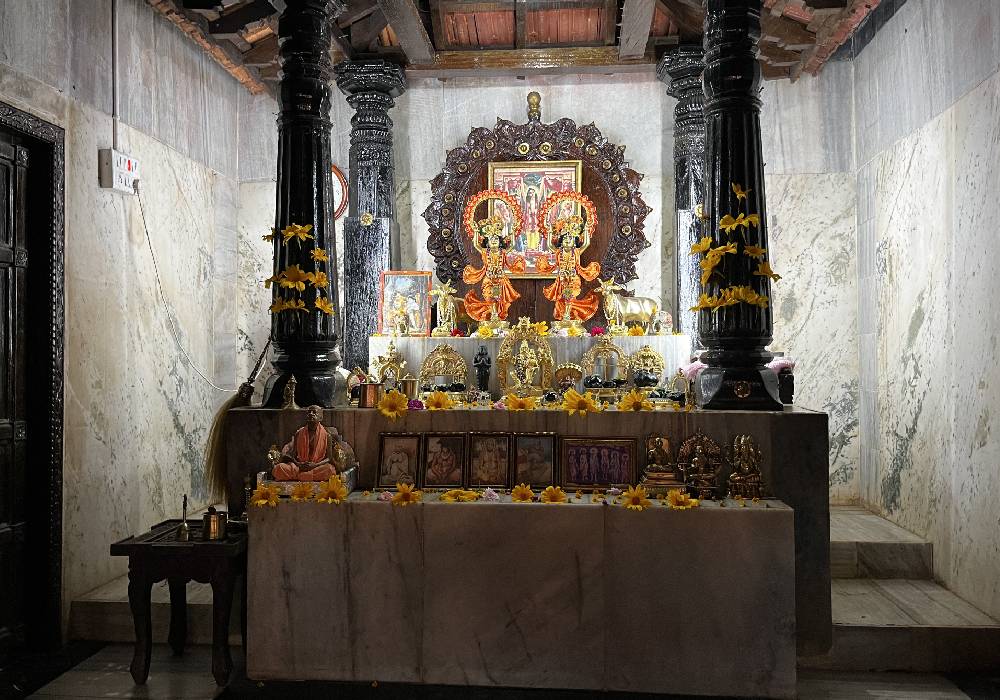
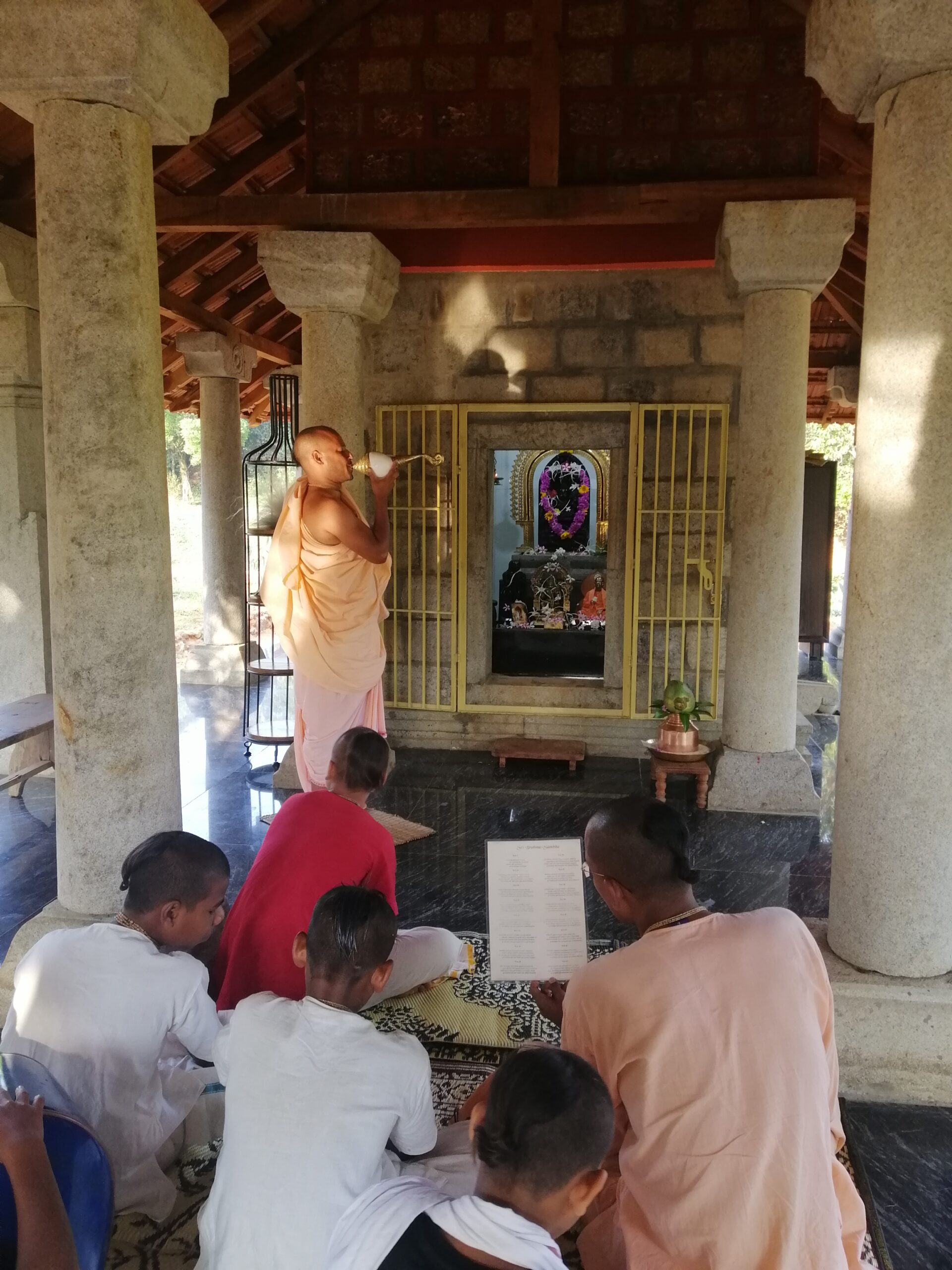
Welcome to the heart of BEV, where the soul finds solace and the spirit finds its song – the Krishna Temple. Inspired by the timeless teachings of A.C. Bhaktivedanta Swami Prabhupada, the Krishna Temple at BEV stands as a beacon of spiritual light, inviting all souls on a journey of self-discovery and devotion.
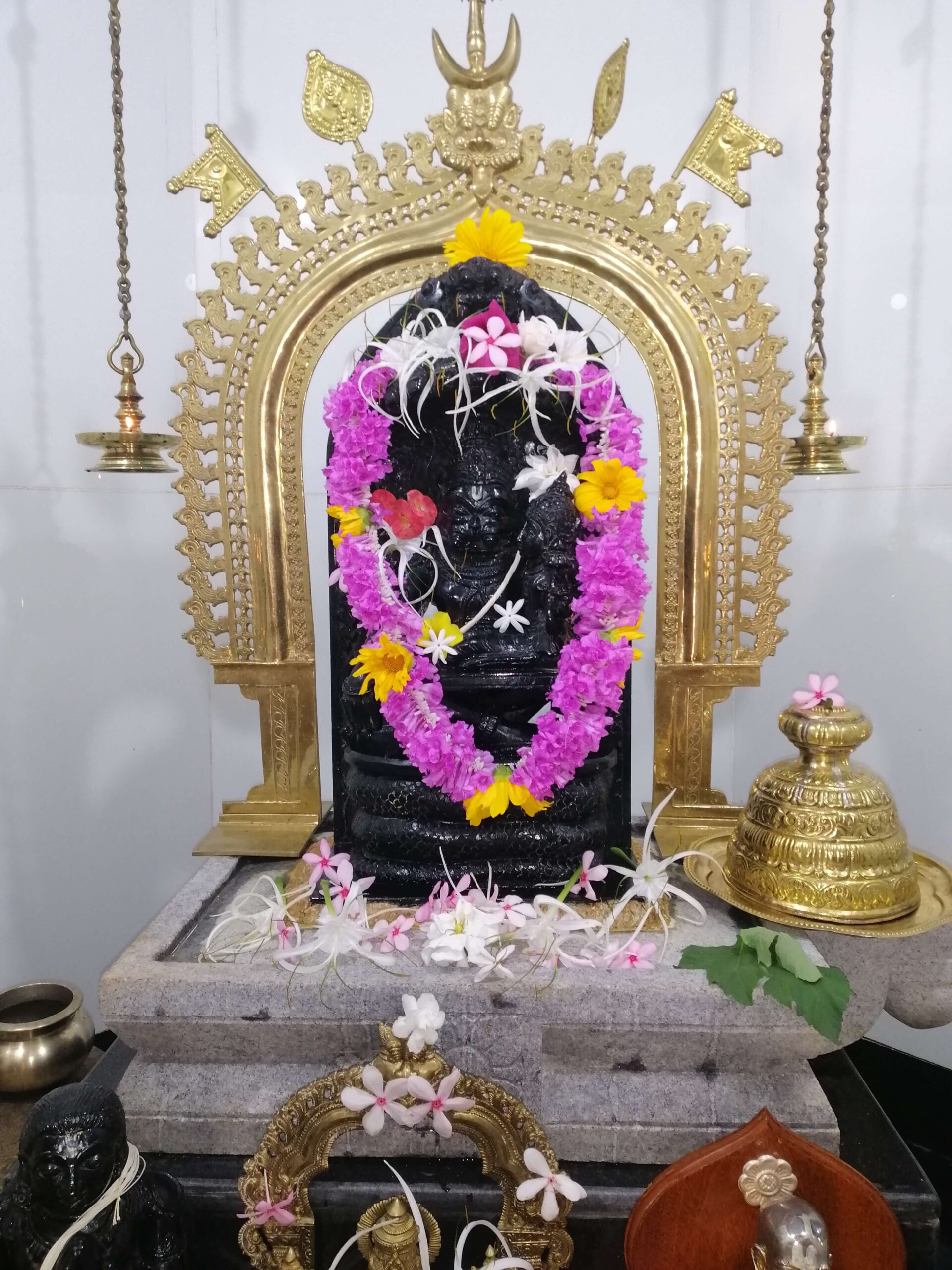
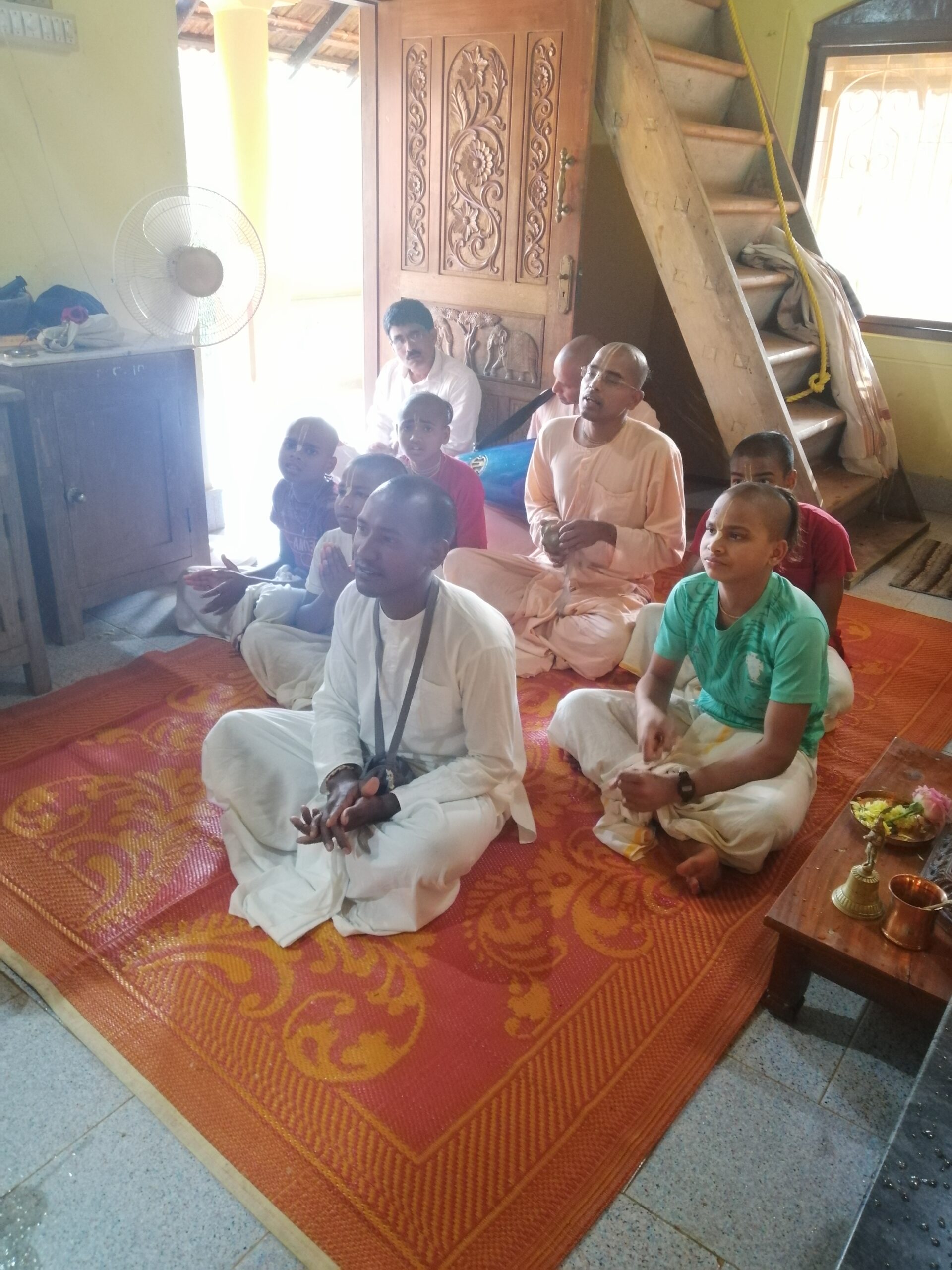
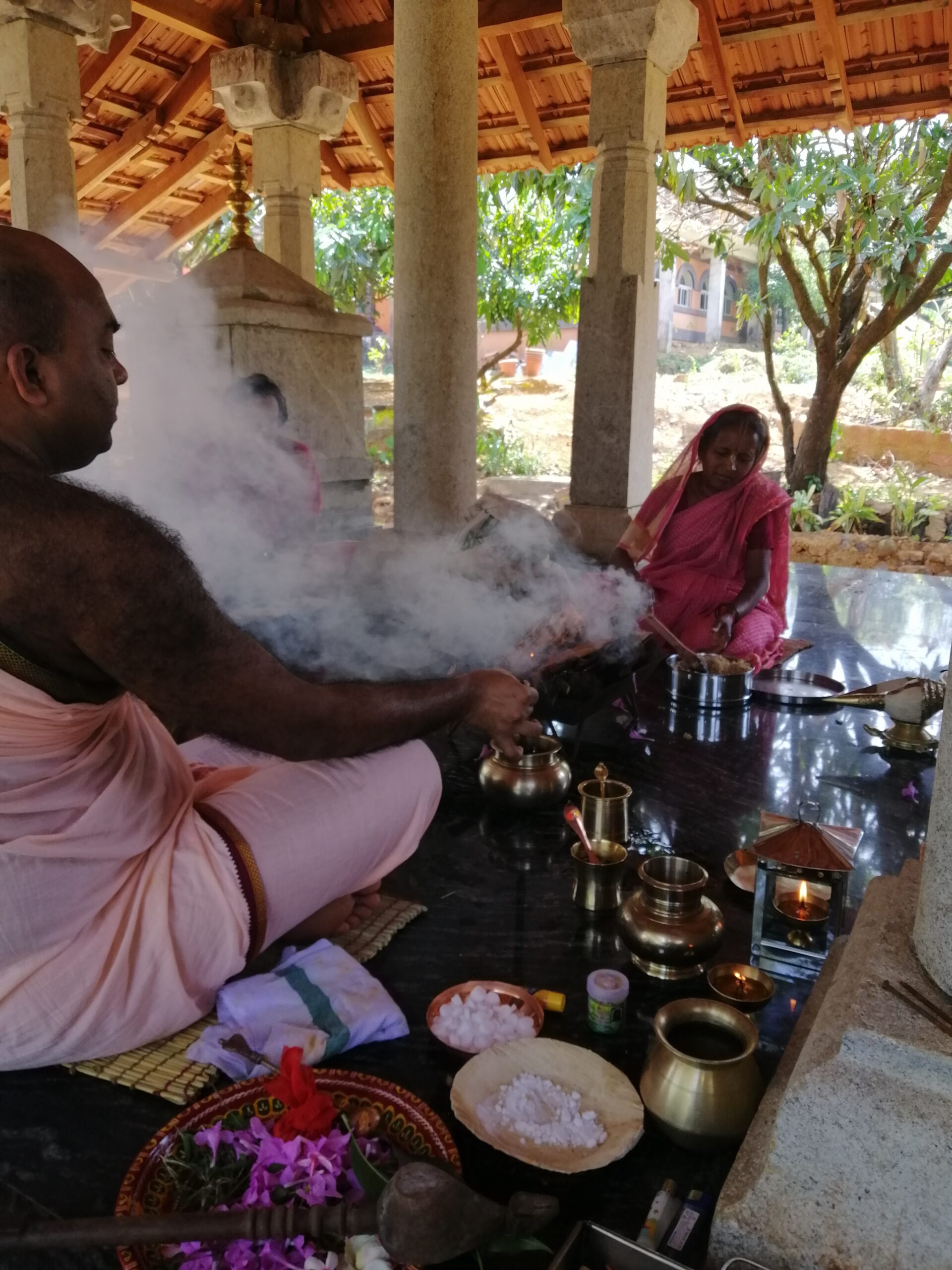
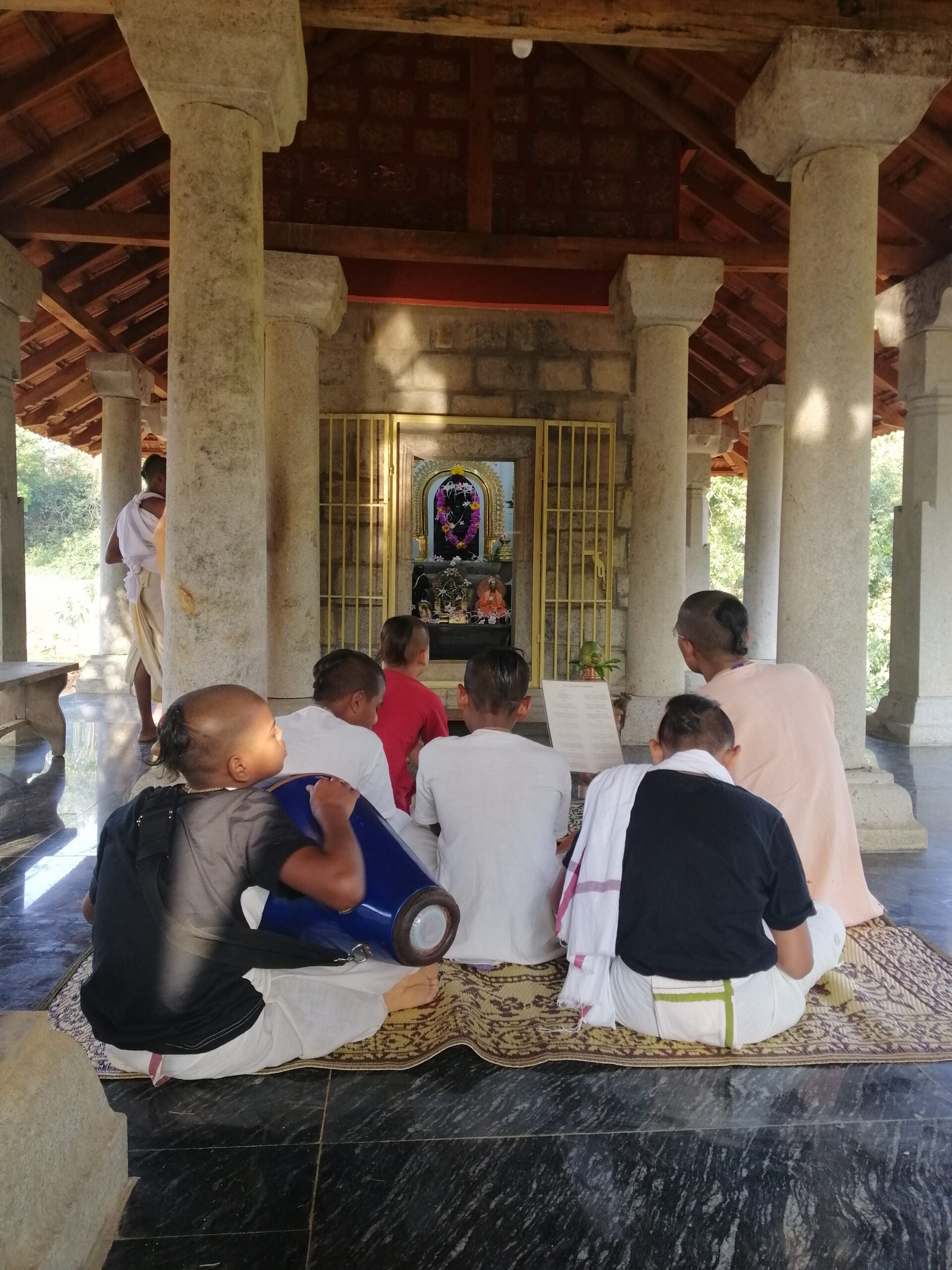
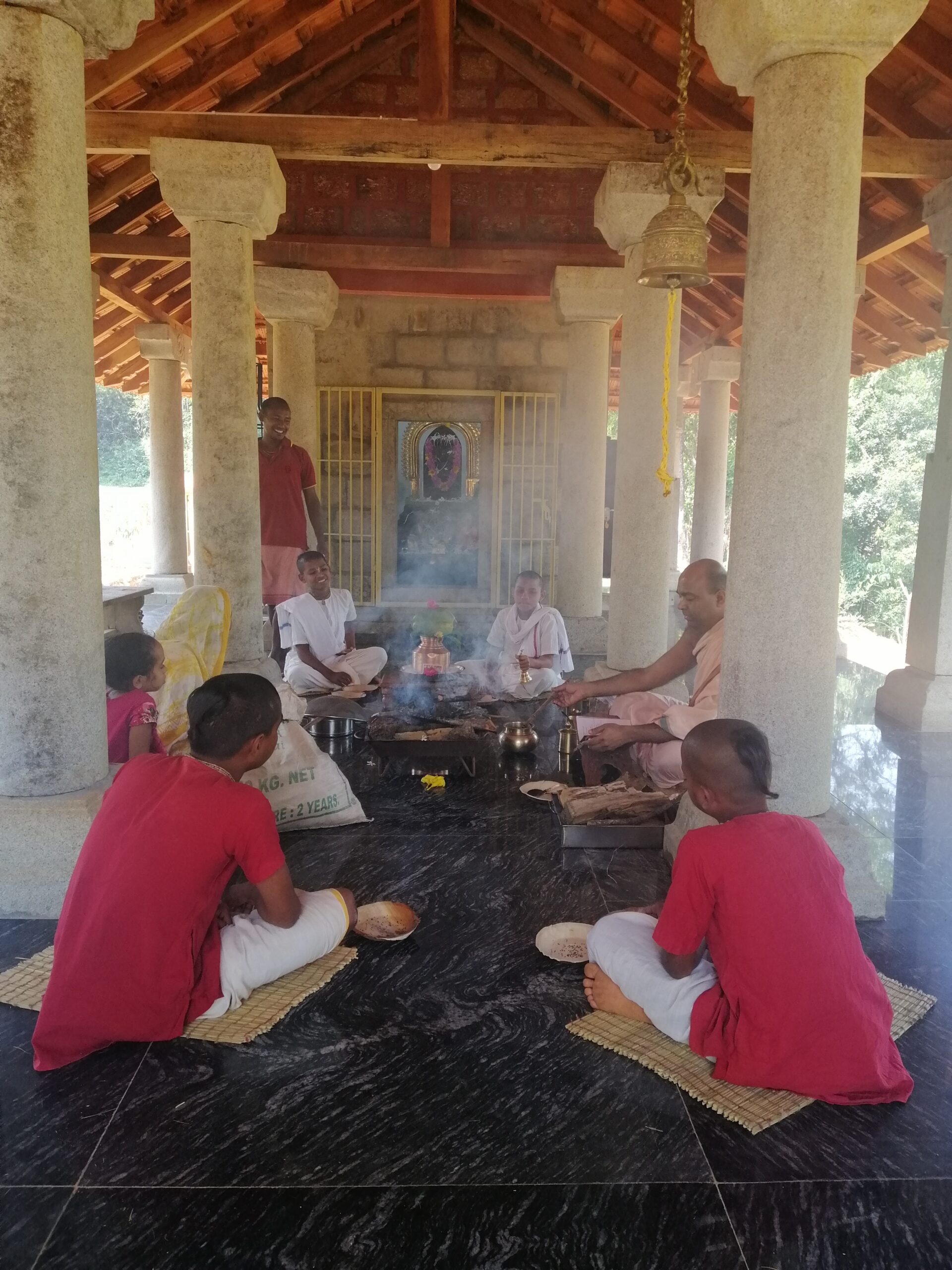
Step into the temple, and you are greeted by the enchanting sound of bhajans and the sweet aroma of incense. Here, amidst the serene surroundings of BEV, devotees gather to offer their prayers and seek solace in the divine presence of Lord Krishna.
The temple’s architecture reflects the rich heritage of Vedic culture, adorned with intricate carvings and vibrant colors that transport visitors to a realm of timeless beauty and transcendental bliss. Every corner of the temple resonates with the sacred vibrations of the holy name, echoing the teachings of Prabhupada and his vision of spreading love and compassion through the chanting of the Hare Krishna mantra.
At the heart of the temple lies the sanctum sanctorum, where the divine form of Lord Krishna resides in all His glory. Here, devotees offer their heartfelt prayers, surrendering their joys and sorrows at the feet of the Supreme Lord. The atmosphere is charged with devotion and reverence, as souls connect with the divine through the power of prayer and meditation.
Beyond its physical beauty, the Krishna Temple at BEV is a place of spiritual nourishment and transformation. Through regular satsangs, kirtans, and discourses on Vedic wisdom, devotees are inspired to lead lives of purity, love, and service. The temple serves as a sacred hub where souls come together to deepen their relationship with the divine and experience the eternal joy of Krishna consciousness.
As you explore the Krishna Temple at BEV, may you find peace, inspiration, and a deeper connection with the divine. Join us on this journey of self-discovery and spiritual awakening, guided by the timeless teachings of A.C. Bhaktivedanta Swami Prabhupada and the loving presence of Lord Krishna.
Hare Krishna!